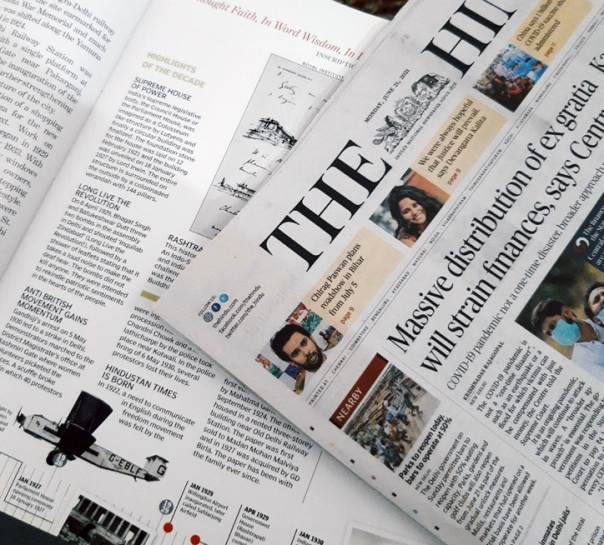
It is a brand new year and with that comes new years resolutions. I have to admit I am not big on resolutions because of their poor success rate. You know how it goes. You make a decision to lose weight, exercise more, or change some other personal bat habit. Then by February all of that is gone and out the door. Still, there are some things that I have committed to do whether it is the beginning of the year or not. One of them is media literacy. I am not a major news junky but like to stay informed and up to date on topics. Also, I have a journalism degree and work background so accurate news and information is critical to me.
What is media literacy?
Now, let me give a general definition of media literacy. It is basically asking questions about what you read, see and hear. It is not quickly taking a piece of content as the whole gospel truth. It is having a healthy skepticism about what info you digest.
Fewer Media Sources Today
Media literacy is even more important now because of social media, celebrities, curated content from algorithms and AI giving us the news. When I was growing up we had a few news sources for information. It was the major TV networks, ABC, NBC and CBS. I watched news anchors like Walter Cronkite, Barbara Walters, Peter Jennings, Ted Coppell and Dan rather. Also, we had several local, regional and national newspapers to read from.

A Sunday ritual in my home was reading The Dallas Morning News and the Dallas Times Herald. My dad and I would read different news articles then he would quiz me on their content. He was teaching me how to use critical analytical skills. To question what I was reading and comprehending. I am so grateful for this childhood experience and instruction. It helped prepare me for the times I live in today which is the increase in fake news, misrepresentation, rumors, lies and exaggerations in news media.
7 Tips to Improve Media Literacy
So, what can we do about this? How can we become more media literate in this new year? Well, glad you asked. Below are some tips and suggestions I found meaningful from The Advocate to increase and improve your media literacy.
1. Check your sources. Ask yourself, is this source creditable for this particular topic? Before trusting any information check the source. Some sources are biased or have an agenda. While others are unintentionally sharing bad content. However, the damage is done especially on social media where news travels like the speed of light. It takes truth longer to spread than lies.
Check the credibility of the source by looking at the publisher, author and sponsors. Is the source a social media influencer? An expert in the field? Some random person online? Verify the information by searching for the same data from other sources.
I especially like this tip because I like reading multiple versions of the same story to see how it was reported. Some news outlets include pieces of content while others don’t. And some don’t even cover the story at all.
2. Be aware of biases. We all have them and the media is no exception. It’s essential to understand the perspectives of the authors or publishers in each instance. If you’re unsure, check for other viewpoints to build a more unbiased picture of a situation.
Look for what is missing in the story. It might be accurate but does it tell the full story. Screen for additional context and perspective because it is not about right or wrong. Rather it is having the full story.
3. Understand propaganda. It is information that is used to manipulate and influence people’s opinions and behaviors. Recognizing propaganda techniques such as emotional appeal, misinformation, and ideology can help you notice propaganda and make informed choices.
4. Be critical. Is the content overly positive or overly negative? Interpret the information you receive critically. It is easy to get into echo chambers and believe things that only validate your own opinions. Question the authenticity, accuracy, reliability and fairness of the information. Cross-check and compare it with information from other sources to make an informed conclusion.
5. Analyze media messages. They are constructed to influence and communicate with the audience. By Learning the techniques used in media messages, such as language, imagery, and tone you can understand the motives and intentions of the message.
Examples of media messages are humor, storytelling, call to action and brand recognition. For many more examples read this list.
6. Take a media literacy course. Learning from a media literacy course is a great way to reinforce your literacy skills. Various online courses, webinars and workshops teach media literacy skills. They offer practical tips on understanding media, analyzing and interpreting media messages. I found one from the Center for Media Literacy’s website you can check out.

7. Respect and support diverse voices. Variety is the spice of life and essential in media. Diverse voices bring different experiences and perspectives that challenge and broaden our horizons. Support and listen to diverse voices by actively seeking and engaging with content created by underrepresented groups.
Absorbing media can be pleasant yet taxing. Still, we must stay diligent when seeking the truth because we can no longer take things for granted. As you read and digest this post I want to encourage you to persevere and be persistent. When you continuously apply these tips and suggestions your media literacy skills will sharpen and improve. You will be able to quickly discern truthful and unbiased media content.
 Empish J. Thomas
Leave a comment