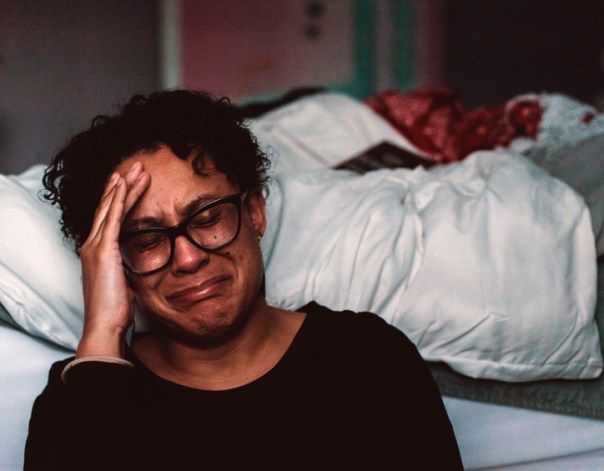
Before I went blind, when I would hear the word “grieving”, I only thought about the loss of a loved one or close friend. It never crossed my mind to consider loss in other ways. For example, the loss of a job, loss of a home during a natural disaster , the loss of a pet or loss of an opportunity. It became more apparent during the pandemic when the whole world was grieving. All of these losses can bring grief.

I especially didn’t connect the dots with the loss of vision and the grieving process. During those early years I sought counseling and attended an adjusting to vision loss support group. It was there we discussed grieving as if a loved one died. We discussed the 5 stages, introduced by Elisabeth Kubler Ross in 1969 in her book, “On Death and Dying.” Denial, anger, bargaining, depression and acceptance are the 5 stages. They don’t happen all the time to everybody and there is no specific timeframe to when they end.
In this post I am exploring those 5 stages as they apply to my vision loss. Everyone with a disability has a different journey of how they dealt with The experience. So, as you read keep in mind your situation may not be the same as mine.
1. Denial
Denial is when you are in shock and just can’t believe this is actually happening. I remember when I first started having vision problems, I was confused because it wasn’t making sense. I never had issues with my eyes in the past. No one in my family had either. It just couldn’t be happening to me. For a couple of weeks I tried over the counter remedies but it just didn’t work. After about a week my roommate convinced me to go to the emergency room because my vision was failing and not improving. This is when the denial began to fade and I had to face the music .

I didn’t stay in denial long because I was in a lot of physical pain. I got violent headaches like someone was constantly hammering on my head. I also experienced tearful eyes like when cutting up raw onions. Next came intense aversion to both indoor and outdoor light like a vampire. I kept the lights off and the blinds and curtains closed. When I went outside, I wore dark wraparound sunglasses keeping out all light from entering my eyes.
Since I had to seek emergency medical attention, there was little time to get emotional about my situation. Even after I got settle with my eye doctor the next thing was keeping my job and paying the bills. I was in survivor mode and it wasn’t until after the dust settled I could really have those soul searching come-to-Jesus talks with myself.
2. Anger
This is when the rage took over. I was so angry. Initially it was with the actual loss of vision. I started thinking about all the things I couldn’t do anymore like driving. I loved window shopping and just looking around at the mall. Well, that was gone too. I loved coordinating my wardrobe with bold bright colors. Well, that was gone too or rather too complicated to manage. The list went on and on.
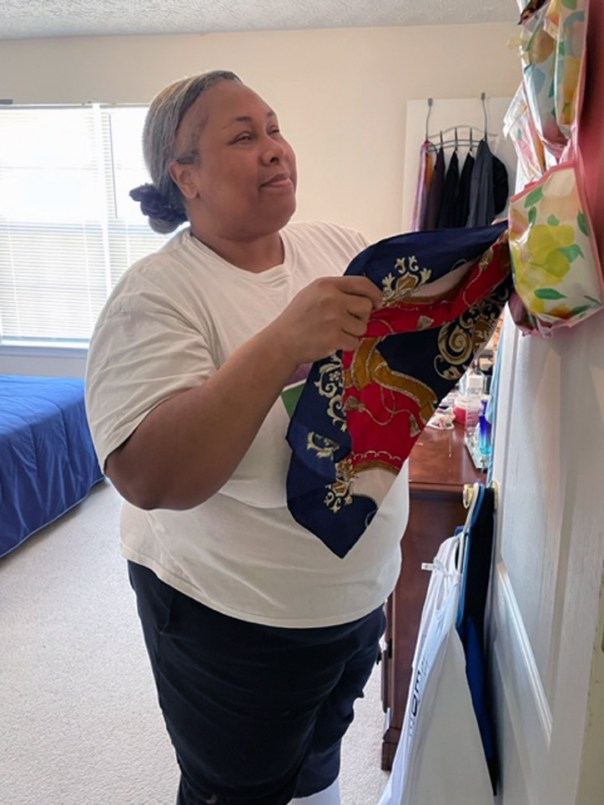
More importantly was the anger at the way I was treated. For the first time in my life I felt like I didn’t belong. In the past, I got along with most people. My life was pretty easy. School was good. Work was good. Relationships were good. I was good. But now, I was standing outside while everyone else was inside having a good time.
I would enter stores or buildings I had always gone to before my vision loss only now to be treated differently. People were now awkward around me. They ignored me or talked down to me. I lost friends. The phone stop ringing. This realization was infuriating. I was still the same old Empish, just blind with a white cane. However, the world was not accepting this new change in my life and it bothered me deeply.
I stayed in this stage the longest because I had never really dealt with my anger before. I was the type of person who stuffed their feelings especially when I was mad. I wouldn’t show it in public. I didn’t want to be labeled the “angry Black woman.” I blew things off and let them roll down my back.
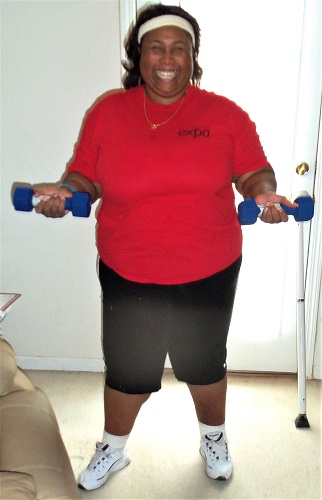
Losing my vision was too heavy. It was too big and the anger came flowing out like hot lava in a volcano. I had to learn to channel it correctly. To be assertive not aggressive. I knew this method wouldn’t always work because people have preconceived notions anyway. Still, I couldn’t let that intimidate me.
3. Bargaining
Have you ever said to God, “If you do this one thing for me, I will do blah, blah?” Bargaining is something we have all done. It is negotiating to get what we want and a part of the grieving process. Frankly, I can’t remember if I bargained with God or not during those early years. I know I prayed a lot. Perhaps bargaining was a part of my supplication. I know I was accused of being sinful and blindness was my punishment. However, I never felt that way. I actually pushed back against it.
4. Depression
They say that anger is the flip side of depression. If that is true, then depression was a large part of my vision loss. The feeling of helplessness and dependency was a hard pill to swallow. I had to ask for help more often. Sometimes that help took advantage of my vulnerability which was depressing. I was ambitious and a go-getter. How could I stay motivated and driven with a disability?
When I went blind I was initially insecure and unsure of myself. In the support group and therapy sessions we talked openly and honestly about depression. It was to be expected. I remember feeling a deeper sense of loss than loosing a loved one because becoming disabled was personal. See, my dad had just died unexpectedly around the same time. So, I was doing double duty. Grieving for both him and me.
I remember my roommate through an encouragement surprise party. She had gathered all my friends to the apartment to honor me. Each person got up and gave me a true heart-felt roasting. She did it because she cared and saw how depressed I was and wanted to cheer me up.
I was adjusting but hard on myself. I realized all of this takes time and I was anxious to move on. It helped me to slow down and go through the stages. To go through the pain. To give myself some grace.
5. Acceptance

The last stage is acceptance. This doesn’t mean you are okay with the loss. Rather it is accepting the reality of your situation. At the beginning I was what is called low vision. I could read printed materials with a magnifier. My computer screen was enlarged. I wore thick bifocals. I could still see colors and partly identify objects and people. But that didn’t last long. Within a year or two I was totally blind. Since my vision loss was from a retina detachment and nerve damage it was permanent. No surgeries, medications or trending eye research was going to help me. I had to accept the reality of my situation.
This started when I took blindfold training. I knew in advance I would go totally blind and told my mobility instructor. After I got handy with my white cane we started training under a blind fold. This meant I would have to use my other senses to navigate. She was concerned for me but I was ready. I wanted to have this skill under my belt for when the day would come.

Even my doctor was worried when I came to him and requested he take me off all meds. They were no longer really working and the side affects were awful. I told him I would rather be totally blind and well, then partly sighted and sick. I wanted a good quality of life even if it meant total blindness.
What was interesting was the reaction I got from people. Folks told me I was giving up. That I didn’t have faith God would heal me anymore. That I was selling out. I bristled under these comments but stayed firm in my decision. I was confident things would work out for me. And they have. Blindness became my new normal.

It has been over 20 years since I went blind. Am I still grieving? No, I don’t think so. There are days I definitely miss working eyeballs. But what I do now is recognize those feelings, talk to a blind friend and move on. I am proud of the life I have built. I am comfortable in my skin and advocating for my disability. I also support other blind and low vision folks through my work and writing. I have established new relationships and even reconnected with others. I have created this website and blog post you are reading.
Another Stage of Grief
Some might say I have found closure. Rather it is finding new meaning and purpose for living. David Kessler, an expert on grief and loss, wrote a book about the sixth stage called, “Finding Meaning.” This stage is not discussed as much but is just as relevant. I believe when you find meaning in loss you can also find hope and joy.
August 30 is National Grief Awareness Day. Have you experience loss recently? How are you coping? How will you take time to recognize and honor your loss?
 Empish J. Thomas
Leave a comment